












Date
April 6th
Author
Freedom of the Press:
Freedom of the Press:
Date
April 6th
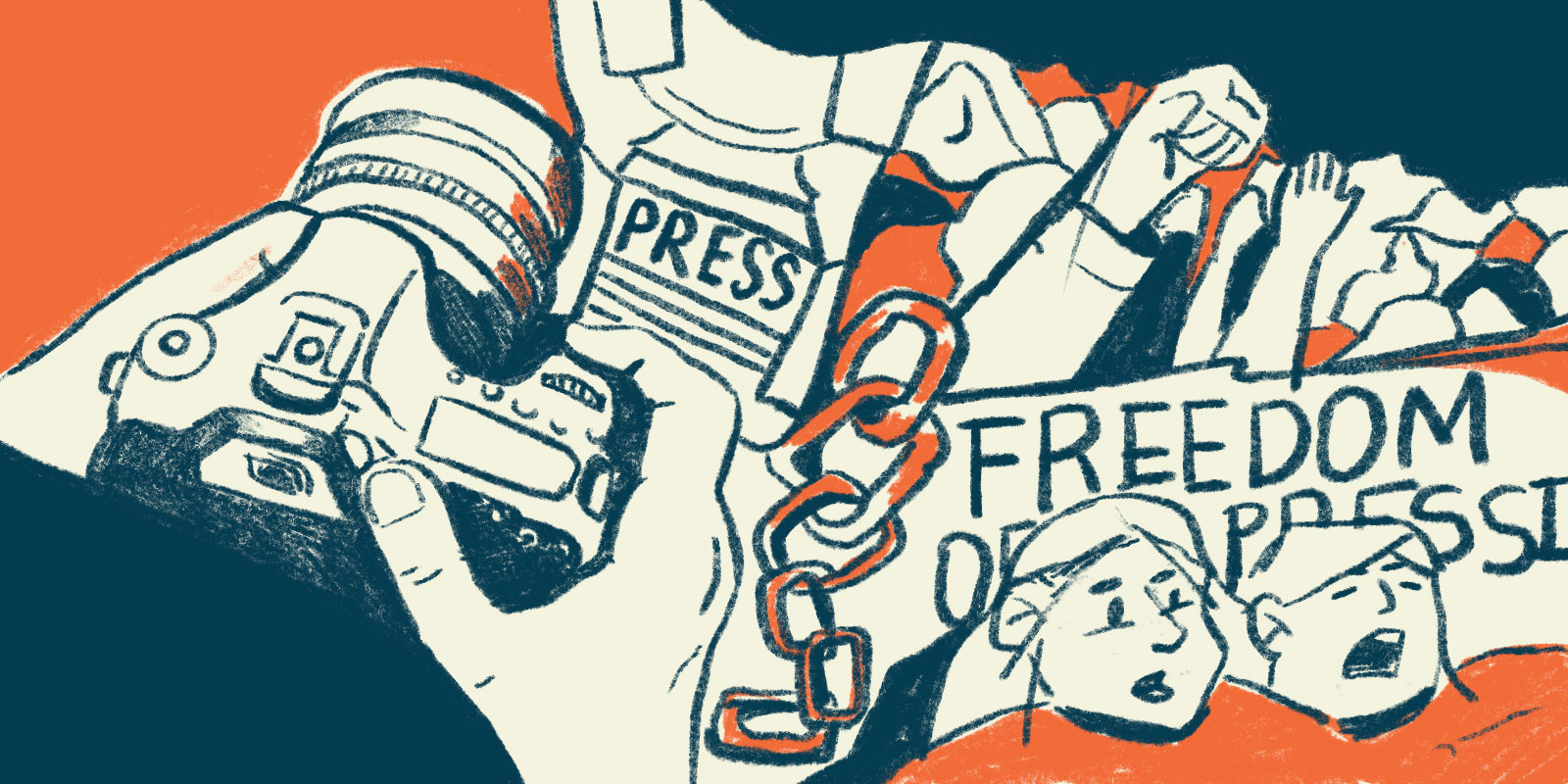
Press freedom informs, unites, and watches power. But it has limits.
The expression freedom of the press broadly encompasses all forms of printed media — including the printing, editing, and circulation of newspapers, leaflets, notices, posters, brochures, magazines, and publications of every kind. Alongside typographic expressions, this freedom also extends to lithography, photography, typewriting, and similar means, whenever they serve as vehicles for disseminating words, signs, or images across multiple copies.
Freedom of the press translates into the right of individuals to seek and disseminate, in written form, information and ideas to an indeterminate number of people. In other words, it manifests as the right to freely communicate information about facts — or, more narrowly, about facts that may be considered newsworthy. As such, it is subject to the same limitations that apply to freedom of expression.
In the modern world, the press fulfills three core functions: a) information; b) shaping public opinion; and c) oversight of public power.
First and foremost, the press exists to inform — to report on events and developments taking place in the world. To do so, it relies on various means, such as news agencies and its own reporters.
Second, it plays a vital integrating role by contributing to the formation and articulation of public opinion in relation to world events. This function consists of channeling a plurality of individual views into a broader current of opinion, thereby fostering social cohesion.
Finally, the press serves as a watchdog over public power — a permanent guardian of integrity and the proper management of public affairs. By consistently reporting on the actions of public officials, it helps prevent abuse and corruption, keeping citizens and civic groups alert to those who may exploit their positions for illegitimate ends.
Within this framework, investigative journalism has emerged as a powerful tool — one that is legitimate only when it carefully filters the information gathered and grounds its conclusions in credible, objectively verifiable evidence. Otherwise, it risks not only violating the reputations of others without reasonable basis, but also breaching fundamental ethical principles. Freedom of the press is not a license to defame.
Ruben Hernandez
I provide clear solutions in a complex area: that of your Fundamental Rights. So simple, powerful and Relevant..., all from my deep and expert approach.
You Might Also Like
VIEW ALL ARTICLESMarch 20th
2026